
New Vinyl LPs from Focus, Fotheringay, Eclection and Blossom Toes!
Available now from http://www.1960s.london

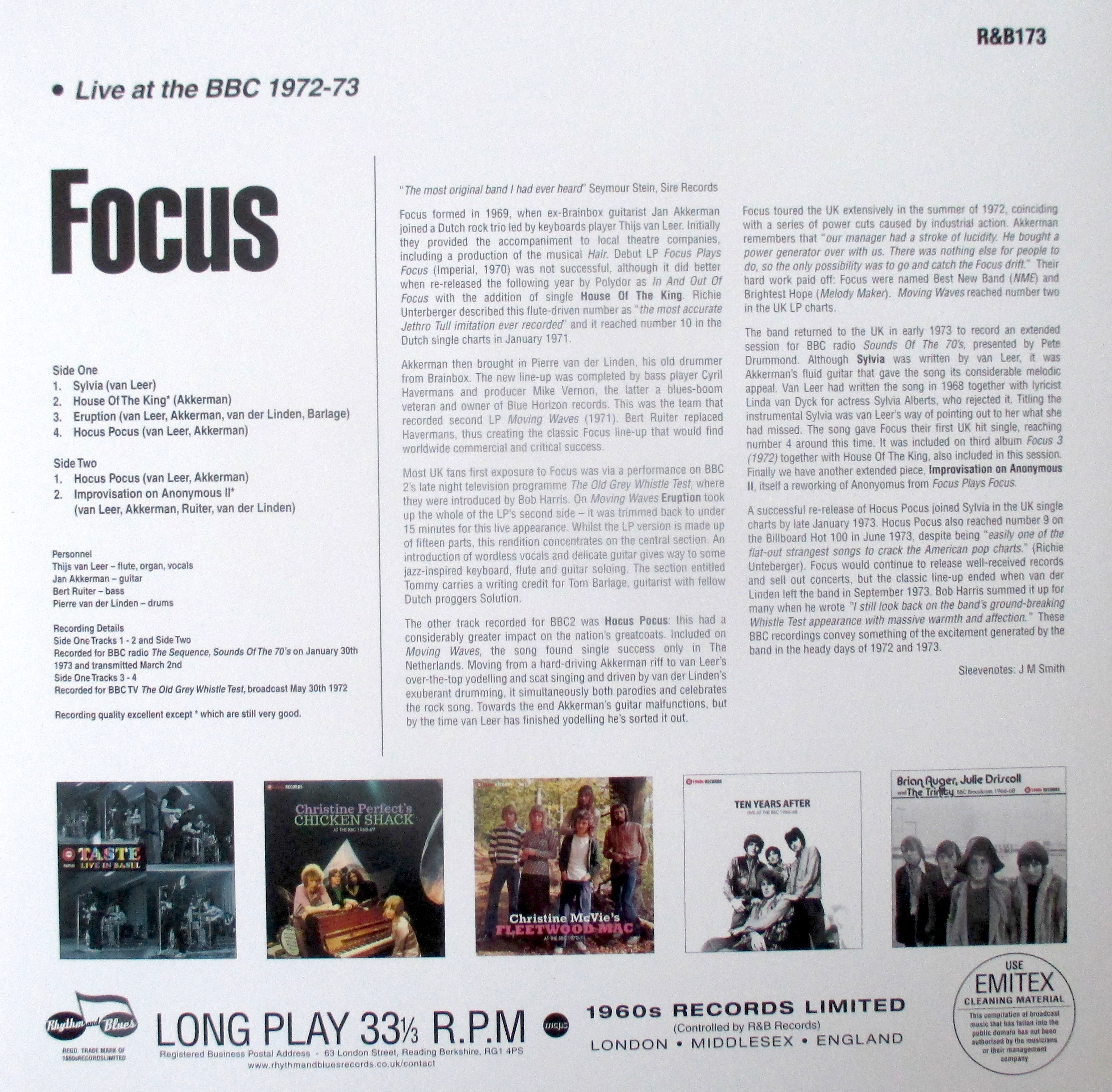
Live At The BBC 1972-73
Focus
Tracklisting
Side One
- Sylvia (van Leer) /
- Hocus Pocus (van Leer, Akkerman)
- House Of The King (Akkerman)
- Eruption (van Leer, Akkerman, van der Linden, Barlage)
- Hocus Pocus (van Leer, Akkerman)
Side Two
- Hocus Pocus (van Leer, Akkerman)
- Improvisation on Anonymous II (van Leer, Akkerman, Ruiter, van der Linden)
Personnel
Thijs van Leer – flute, organ, vocals
Jan Akkerman – guitar
Pierre van der Linden – drums
Bert Ruiter – bass
Recording Details
Side One Tracks 1 – 3 and Side Two
Recorded for BBC radio The Sequence, Sounds Of The 70’s on January 30th 1973 and transmitted March 2nd
Side One Tracks 4 & 5
Recorded for BBC TV The Old Grey Whistle Test, broadcast May 30th 1972
Recording quality
Excellent except for Side One, Track 3 and Side Two, Track 2 which are Very Good
Sleevenotes
“The most original band I had ever heard” Seymour Stein, Sire Records
Focus formed in 1969, when ex-Brainbox guitarist Jan Akkerman joined a Dutch rock trio led by keyboards player Thijs van Leer. Initially they provided the accompaniment to local theatre companies, including a production of the musical Hair. Debut LP Focus Plays Focus (Imperial, 1970) was not successful, although it did better when re-released the following year by Polydor as In And Out Of Focus with the addition of single House Of The King.Richie Unterberger described this flute-driven number as “the most accurate Jethro Tull imitation ever recorded” and it reached number 10 in the Dutch single charts in January 1971.
Akkerman then brought in Pierre van der Linden, his old drummer from Brainbox. The new line-up was completed by bass player Cyril Havermans and producer Mike Vernon, the latter a blues-boom veteran and owner of Blue Horizon records. This was the team that recorded second LP Moving Waves (1971). Bert Ruiter replaced Havermans, thus creating the classic Focus line-up that would find worldwide commercial and critical success.
Most UK fans first exposure to Focus was via a performance on BBC 2’s late night television programme The Old Grey Whistle Test, where they were introduced by Bob Harris. On Moving Waves Eruption took up the whole of the LP’s second side – it was trimmed back to under 15 minutes for this live appearance. Whilst the LP version is made up of fifteen parts, this rendition concentrates on the central section. An introduction of wordless vocals and delicate guitar gives way to some jazz-inspired keyboard, flute and guitar soloing. The section entitled Tommy carries a writing credit for Tom Barlage, guitarist with fellow Dutch proggers Solution.
The other track recorded for BBC2 was Hocus Pocus: this had a considerably greater impact on the nation’s greatcoats. Included on Moving Waves, the song found single success only in The Netherlands. Moving from a hard-driving Akkerman riff to van Leer’s over-the-top yodelling and scat singing and driven by van der Linden’s exuberant drumming, it simultaneously both parodies and celebrates the rock song. Towards the end Akkerman’s guitar malfunctions, but by the time van Leer has finished yodelling he’s sorted it out.
Focus toured the UK extensively in the summer of 1972, coinciding with a series of power cuts caused by industrial action. Akkerman remembers that “our manager had a stroke of lucidity. He bought a power generator over with us. There was nothing else for people to do, so the only possibility was to go and catch the Focus drift.” Their hard work paid off: Focus were named Best New Band (NME) and Brightest Hope (Melody Maker). Moving Waves reached number two in the UK LP charts.
The band returned to the UK in early 1973 to record an extended session for BBC radio Sounds Of The 70’s, presented by Pete Drummond. Although Sylvia was written by van Leer, it was Akkerman’s fluid guitar that gave the song its considerable melodic appeal. Van Leer had written the song in 1968 together with lyricist Linda van Dyck for actress Sylvia Alberts, who rejected it. Titling the instrumental Sylvia was van Leer’s way of pointing out to her what she had missed. The song gave Focus their first UK hit single, reaching number 4 around this time. It was included on third album Focus 3 (1972) together with House Of The King, also included in this session. Finally we have another extended piece, Improvisation on Anonymous II, itself a reworking of Anonyomus from Focus Plays Focus.
A successful re-release of Hocus Pocus joined Sylvia in the UK single charts by late January 1973. Hocus Pocus also reached number 9 on the Billboard Hot 100 in June 1973, despite being “easily one of the flat-out strangest songs to crack the American pop charts.” (Richie Unteberger). Focus would continue to release well-received records and sell out concerts, but the classic line-up ended when van der Linden left the band in September 1973. Bob Harris summed it up for many when he wrote ”I still look back on the band’s ground-breaking Whistle Test appearance with massive warmth and affection.” These BBC recordings convey something of the excitement generated by the band in the heady days of 1972 and 1973.
Sleevenotes: J M Smith
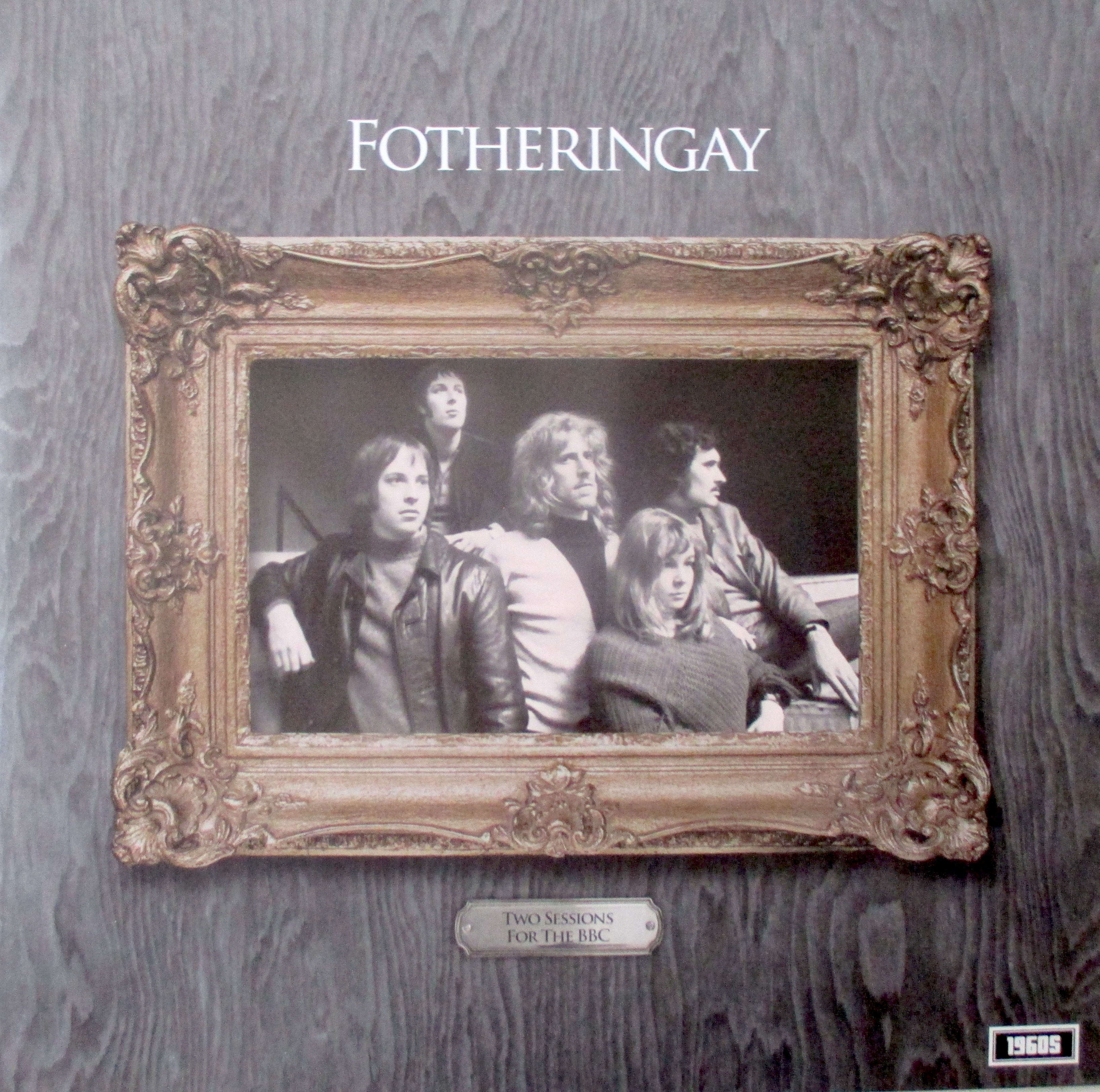
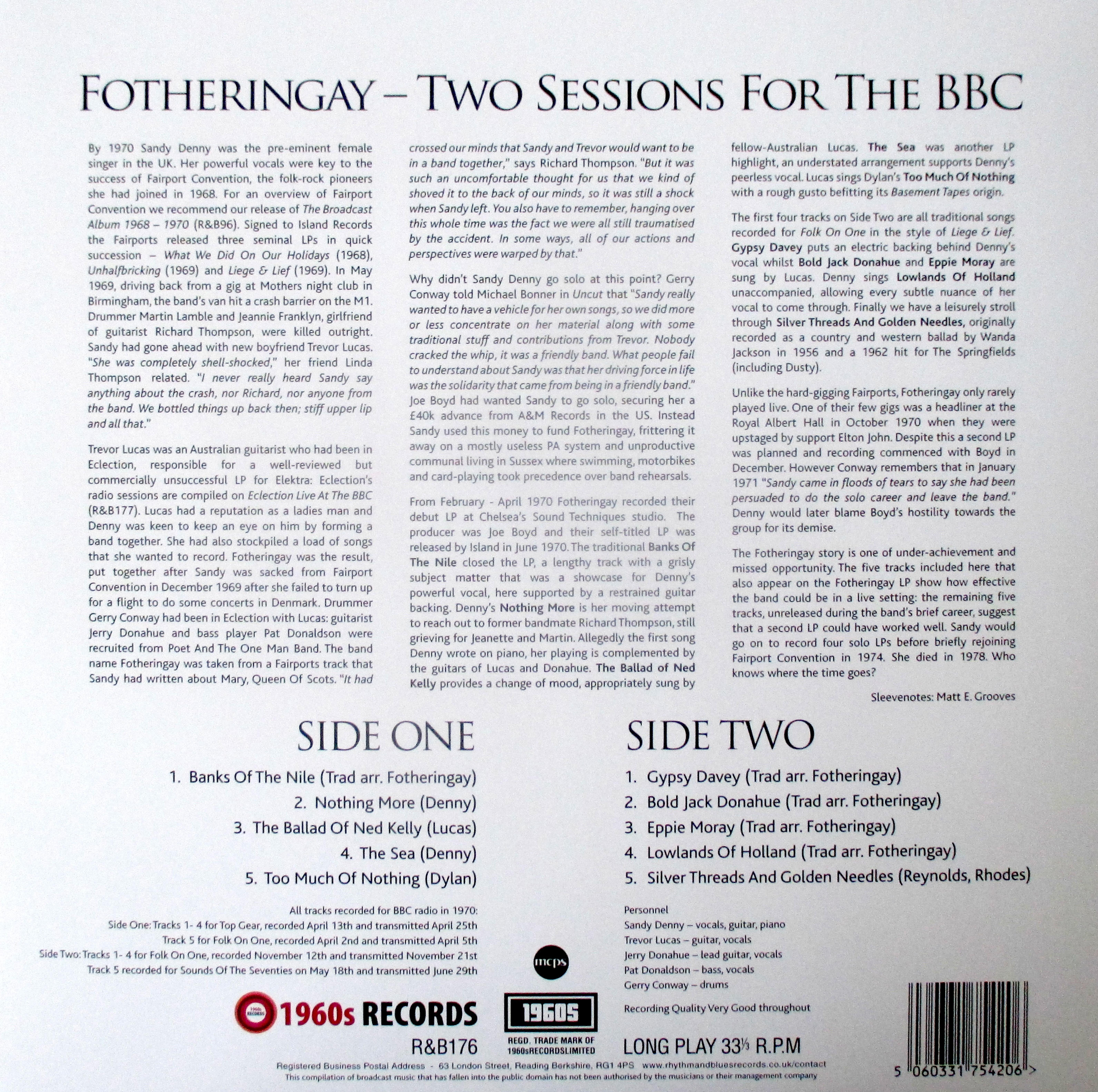
Fotheringay – Live At The BBC 1970
Tracklisting
Side One
- Banks Of The Nile (Trad arr. Fotheringay)
- Nothing More (Denny)
- The Ballad Of Ned Kelly (Lucas)
- The Sea (Denny)
- Too Much Of Nothing (Dylan)
Side Two
- Gypsy Davey (Trad arr. Fotheringay)
- Bold Jack Donahue (Trad arr. Fotheringay)
- Eppie Moray (Trad arr. Fotheringay)
- Lowlands Of Holland (Trad arr. Fotheringay)
- Silver Threads And Golden Needles (Reynolds, Rhodes)
Recording Details
All tracks recorded for BBC radio in 1970:
Side One
Tracks 1- 4 for Top Gear, recorded April 13th and transmitted April 25th
Track 5 for Folk On One, recorded April 2nd and transmitted April 5th
Side Two
Tracks 1- 4 for Folk On One, recorded November 12th and transmitted November 21st
Track 5 recorded for Sounds Of The Seventies on May 18th and transmitted June 29th
Recording Quality
All tracks are either Excellent or Very Good
Personnel
Sandy Denny – vocals, guitar, piano
Trevor Lucas – guitar, vocals
Jerry Donahue – lead guitar, vocals
Pat Donaldson – bass, vocals
Gerry Conway – drums
Sleevenotes
By 1970 Sandy Denny was the pre-eminent female singer in the UK. Her powerful vocals were key to the success of Fairport Convention, the folk-rock pioneers she had joined in 1968. For an overview of Fairport Convention we recommend our release of The Broadcast Album 1968 – 1970 (R&B96). Signed to Island Records the Fairports released three seminal LPs in quick succession – What We Did On Our Holidays (1968), Unhalfbricking (1969) and Liege & Lief (1969). In May 1969, driving back from a gig at Mothers night club in Birmingham, the band’s van hit a crash barrier on the M1. Drummer Martin Lamble and Jeannie Franklyn, girlfriend of guitarist Richard Thompson, were killed outright. Sandy had gone ahead with new boyfriend Trevor Lucas. “She was completely shell-shocked,” her friend Linda Thompson related. “I never really heard Sandy say anything about the crash, nor Richard, nor anyone from the band. We bottled things up back then; stiff upper lip and all that.”
Trevor Lucas was an Australian guitarist who had been in Eclection, responsible for a well-reviewed but commercially unsuccessful LP for Elektra: Eclection’s radio sessions are compiled on Eclection Live At The BBC (R&B ???). Lucas had a reputation as a ladies man, and Denny was keen to keep an eye on him by forming a band together. She had also stockpiled a load of songs that she wanted to record. Fotheringay was the result, put together after Sandy was sacked from Fairport Convention in December 1969 after she failed to turn up for flight to do some concererts in Denmark. Drummer Gerry Conway had been in Eclection with Lucas: guitarist Jerry Donahue and bass player Pat Donaldson were recruited from Poet And The One Man Band. The band name Fotheringay was taken from a Fairports track that Sandy had written about Mary, Queen Of Scots. “It had crossed our minds that Sandy and Trevor would want to be in a band together,” says Richard Thompson. “But it was such an uncomfortable thought for us that we kind of shoved it to the back of our minds, so it was still a shock when Sandy left. You also have to remember, hanging over this whole time was the fact we were all still traumatised by the accident. In some ways, all of our actions and perspectives were warped by that.”
Why didn’t Sandy Denny go solo at this point? Gerry Conway told Michael Bonner in Uncut that “Sandy really wanted to have a vehicle for her own songs, so we did more or less concentrate on her material along with some traditional stuff and contributions from Trevor. Nobody cracked the whip, it was a friendly band. What people fail to understand about Sandy was that her driving force in life was the solidarity that came from being in a friendly band.” Joe Boyd had wanted Sandy to go solo, securing her a £40k advance from A&M Records in the US. Instead Sandy used this money to fund Fotheringay, frittering it away on a mostly useless PA system and unproductive communal living in Sussex where swimming, motorbikes and card-playing took precedence over band rehearsals.
From February – April 1970 Fotheringay recorded their debut LP at Chelsea’s Sound Techniques studio. The producer was Joe Boyd and their self-titled LP was released by Island in June 1970. The traditional Banks Of The Nile closed the LP, a lengthy track with a grisly subject matter that was a showcase for Denny’s powerful vocal, here supported by a restrained guitar backing. Denny’s Nothing More is her moving attempt to reach out to former bandmate Richard Thompson, still grieving for Jeanette and Martin. Allegedly the first song Denny wrote on piano, her playing is complemented by the guitars of Lucas and Donahue. The Ballad of Ned Kelly provides a change of mood, appropriately sung by fellow-Australian Lucas. The Sea was another LP highlight, an understated arrangement supports Denny’s peerless vocal. Lucas sings Dylan’s Too Much Of Nothing with a rough gusto befitting its Basement Tapes origin.
The first four tracks on Side Two are all traditional songs recorded for Folk On One in the style of Liege & Lief. Gypsy Davey puts an electric backing behind Denny’s vocal whilst Bold Jack Donahue and Eppie Moray are sung by Lucas. Denny sings Lowlands Of Holland unaccompanied, allowing every subtle nuance of her vocal to come through. Finally we have a leisurely stroll through Silver Threads And Golden Needles, originally recorded as a country and western ballad by Wanda Jackson in 1956 and a 1962 hit for The Springfields (including Dusty).
Unlike the hard-gigging Fairports, Fotheringay only rarely played live. One of their few gigs was a headliner at the Royal Albert Hall in October 1970 when they were upstaged by support Elton John. Despite this a second LP was planned, and recording commenced with Boyd in December. However Conway remembers that in January 1971 “Sandy came in floods of tears to say she had been persuaded to do the solo career and leave the band.” Denny would later blame Boyd’s hostility towards the group for its demise.
The Fotheringay story is one of under-achievement and missed opportunity. The five tracks included here that also appear on the Fotheringay LP show how effective the band could be in a live setting: the remaining five tracks, unreleased during the band’s brief career, suggest that a second LP could have worked well. Sandy would go on to record four solo LPs before briefly rejoining Fairport Convention in 1974. She died in 1978. Who knows where the time goes?
Sleevenotes: Matt E. Grooves
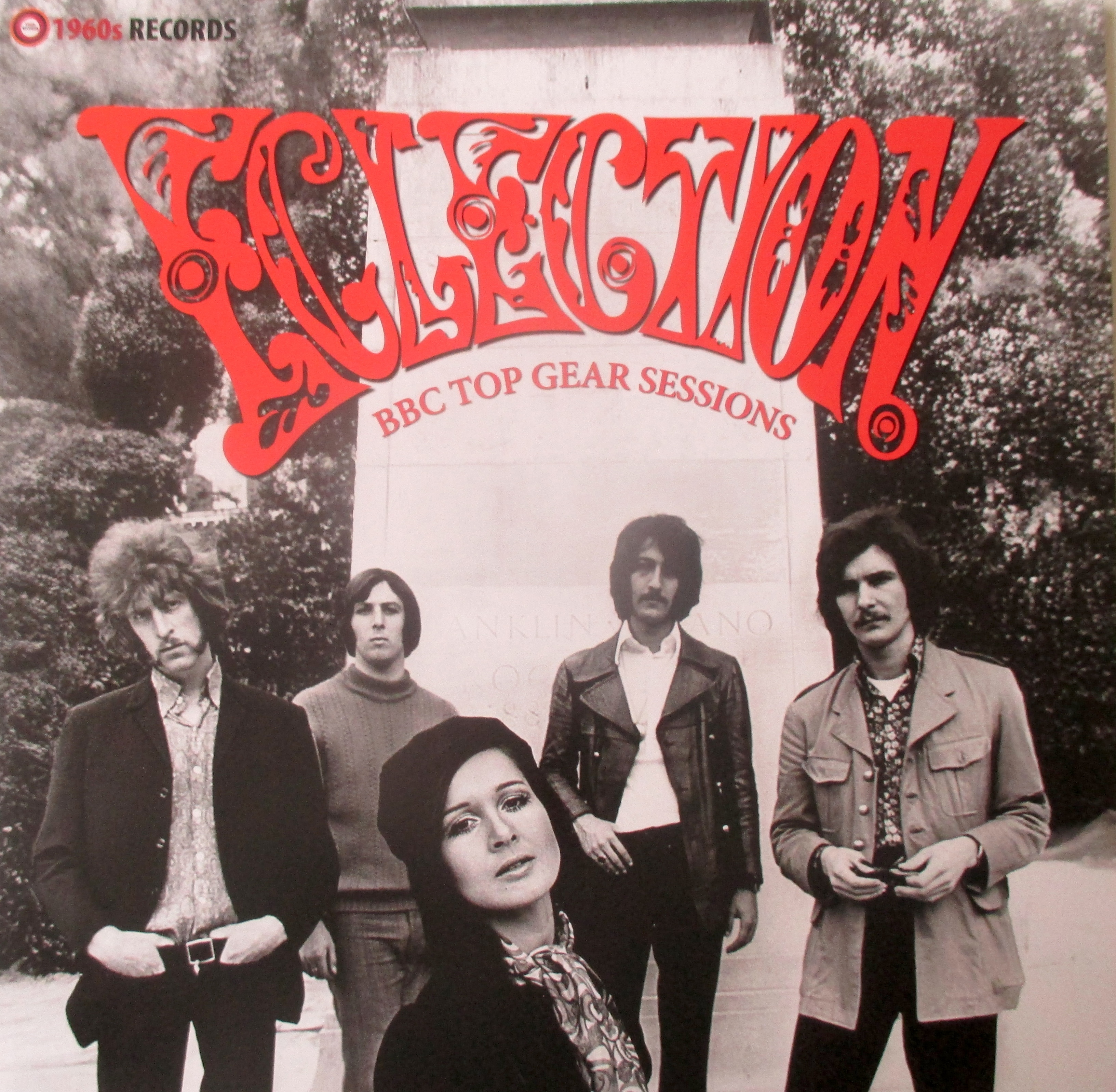
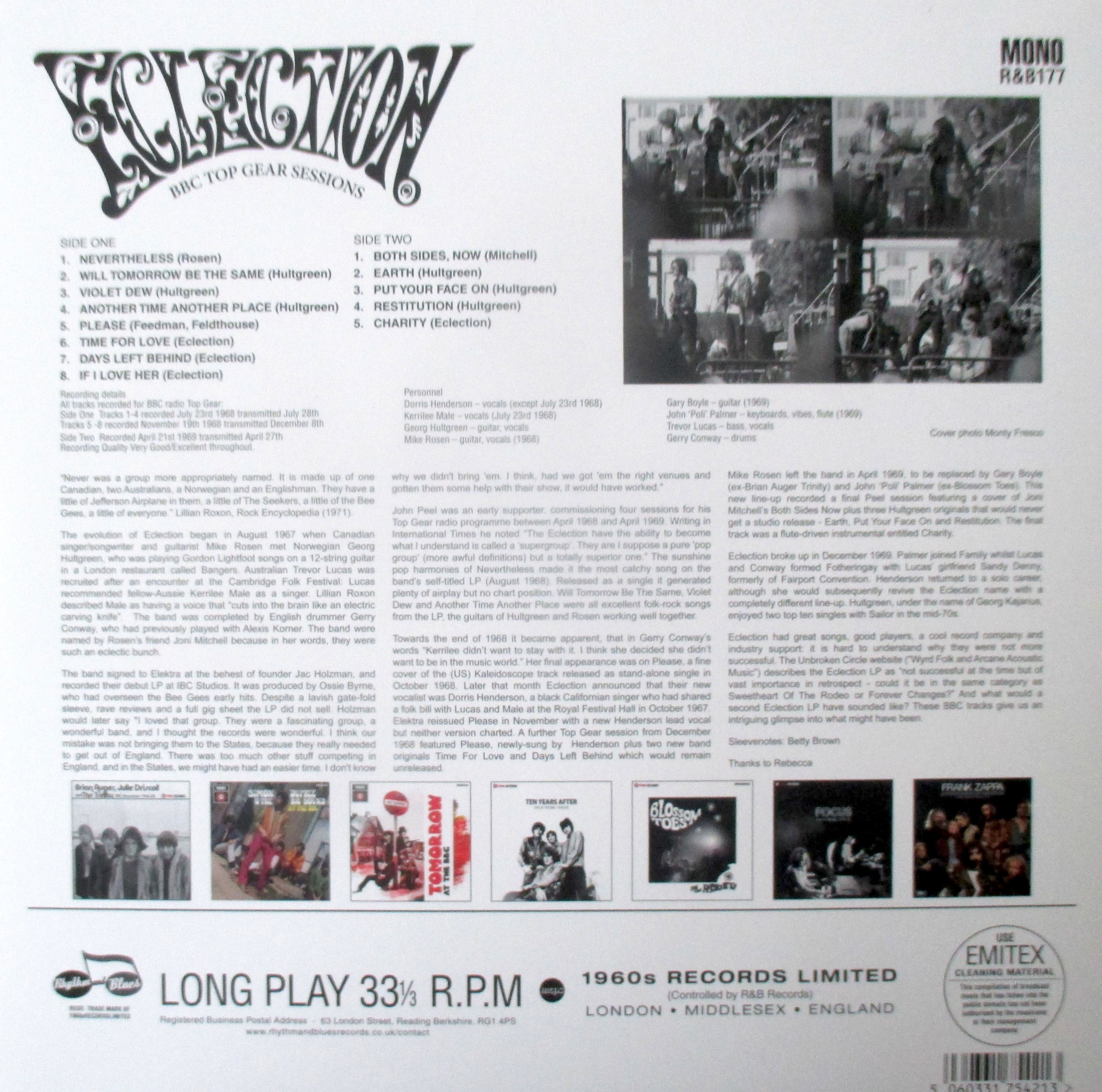
BBC Top Gear Sessions
Eclection
Tracklisting
Side One
- Nevertheless (Hultgreen)
- Will Tomorrow Be The Same (Hultgreen)
- Violet Dew (Hultgreen)
- Another Time Another Place (Hultgreen)
- Please (Feedman, Feldthouse)
- Time For Love (Eclection)
- Days Left Behind (Eclection)
Side Two
- Both Sides, Now (Mitchell)
- Earth (Hultgreen)
- Put Your Face On (Hultgreen)
- Restitution (Hultgreen)
- Charity (Eclection)
Recording Details
All tracks recorded for BBC radio Top Gear:
Side One, Tracks 1-4 recorded July 23rd 1968 and transmitted 28th July
Side One, Tracks 5 -7 recorded December 8th 1968 and transmitted 12th January 1969
Side Two Tracks 1 – 5 recorded 21sth April 1969 and transmitted April 27th
Recording Quality
Excellent throughout
Personnel
Georg Hultgreen – guitar, vocals
Trevor Lucas – bass, vocals
Gerry Conway – drums
Mike Rosen – guitar, vocals (Side One)
Kerrilee Male – vocals (Side One, Tracks 1 – 4)
Dorris Henderson – vocals (Side One, Tracks 5 -7 and Side Two, Tracks 1-4)
Gary Boyle – guitar (Side Two, Tracks 1 – 5)
John ‘Poli’ Palmer – keyboards, vibes, flute (Side Two, Tracks 1 – 5)
Sleevenotes
“Never was a group more appropriately named. It is made up of one Canadian, two Australians, a Norwegian and an Englishman. They have a little of Jefferson Airplane in them, a little of The Seekers, a little of the Bee Gees, a little of everyone.” Lillian Roxon, Rock Encyclopedia (1971).
The evolution of Eclection began in August 1967 when Canadian singer/songwriter and guitarist Mike Rosen met Norwegian Georg Hultgreen, who was playing Gordon Lightfoot songs on a 12-string guitar in a London restaurant called Bangers. Australian Trevor Lucas was recruited after an encounter at the Cambridge Folk Festival: Lucas recommended fellow-Aussie Kerrilee Male as a singer. Lillian Roxon described Male as having a voice that “cuts into the brain like an electric carving knife.“ The band was completed by English drummer Gerry Conway, who had previously played with Alexis Korner. The band were named by Rosen’s friend Joni Mitchell because, in her words, they were such an eclectic bunch.
The band signed to Elektra at the behest of founder Jac Holzman, and recorded their debut LP at IBC Studios. It was produced by Ossie Byrne, who had overseen the Bee Gees early hits. Despite a lavish gate-fold sleeve, rave reviews and a full gig sheet the LP did not sell. Holzman would later say “I loved that group. They were a fascinating group, a wonderful band, and I thought the records were wonderful. I think our mistake was not bringing them to the States, because they really needed to get out of England. There was too much other stuff competing in England, and in the States, we might have had an easier time. I don’t know why we didn’t bring ’em. I think, had we got ’em the right venues and gotten them some help with their show, it would have worked.”
John Peel was an early supporter, commissioning four sessions for his Top Gear radio programme between April 1968 and April 1969. Writing in International Times he noted “The Eclection have the ability to become what I understand is called a ‘supergroup’. They are I suppose a pure ‘pop group’ (more awful definitions) but a totally superior one.” The sunshine pop harmonies of Nevertheless made it the most catchy song on the band’s self-titled LP (August 1968). Released as a single it generated plenty of airplay but no chart position. Will Tomorrow Be The Same, Violet Dew and Another Time Another Place were all excellent folk-rock songs from the LP, the guitars of Hultgreen and Rosen working well together.
Towards the end of 1968 it became apparent, that in Gerry Conway’s words “Kerrilee didn’t want to stay with it. I think she decided she didn’t want to be in the music world.” Her final appearance was on Please, a fine cover of the (US) Kaleidoscope track released as a stand-alone single in October 1968. Later that month Eclection announced that their new vocalist was Dorris Henderson, a black Californian singer who had shared a folk bill with Lucas and Male at the Royal Festival Hall in October 1967. Elektra reissued Please in November with a new Henderson lead vocal but neither version charted. A further Top Gear session from December 1968 featured a Henderson-sung Please plus two new band originals Time For Love and Days Left Behind which would remain unreleased.
Mike Rosen left the band in April 1969, to be replaced by Gary Boyle (ex-Brian Auger Trinity) and John ‘Poli’ Palmer (ex-Blossom Toes). This new line-up recorded a final Peel session featuring a cover of Joni Mitchell’s Both Sides, Now plus three Hultgreen originals that would never get a studio release – Earth, Put Your Face On and Restitution. The final track was a flute-driven instrumental entitled Charity.
Eclection broke up in December 1969. Palmer joined Family whilst Lucas and Conway formed Fotheringay with Lucas’ girlfriend Sandy Denny, formerly of Fairport Convention. Henderson returned to a solo career, although she would subsequently revive the Eclection name with a completely different line-up. Hultgreen, under the name of Georg Kajanus, enjoyed two top ten singles with Sailor in the mid-70s.
Eclection had great songs, good players, a cool record company and industry support: it is hard to understand why they were not more successful. The Unbroken Circle website (“Wyrd Folk and Arcane Acoustic Music”) describes the Eclection LP as “not successful at the time but of vast importance in retrospect – could it be in the same category as Sweetheart Of The Rodeo or Forever Changes?”. And what would a second Eclection LP have sounded like? These BBC tracks give us an intriguing glimpse into what might have been.
Sleevenotes: Betty Brown
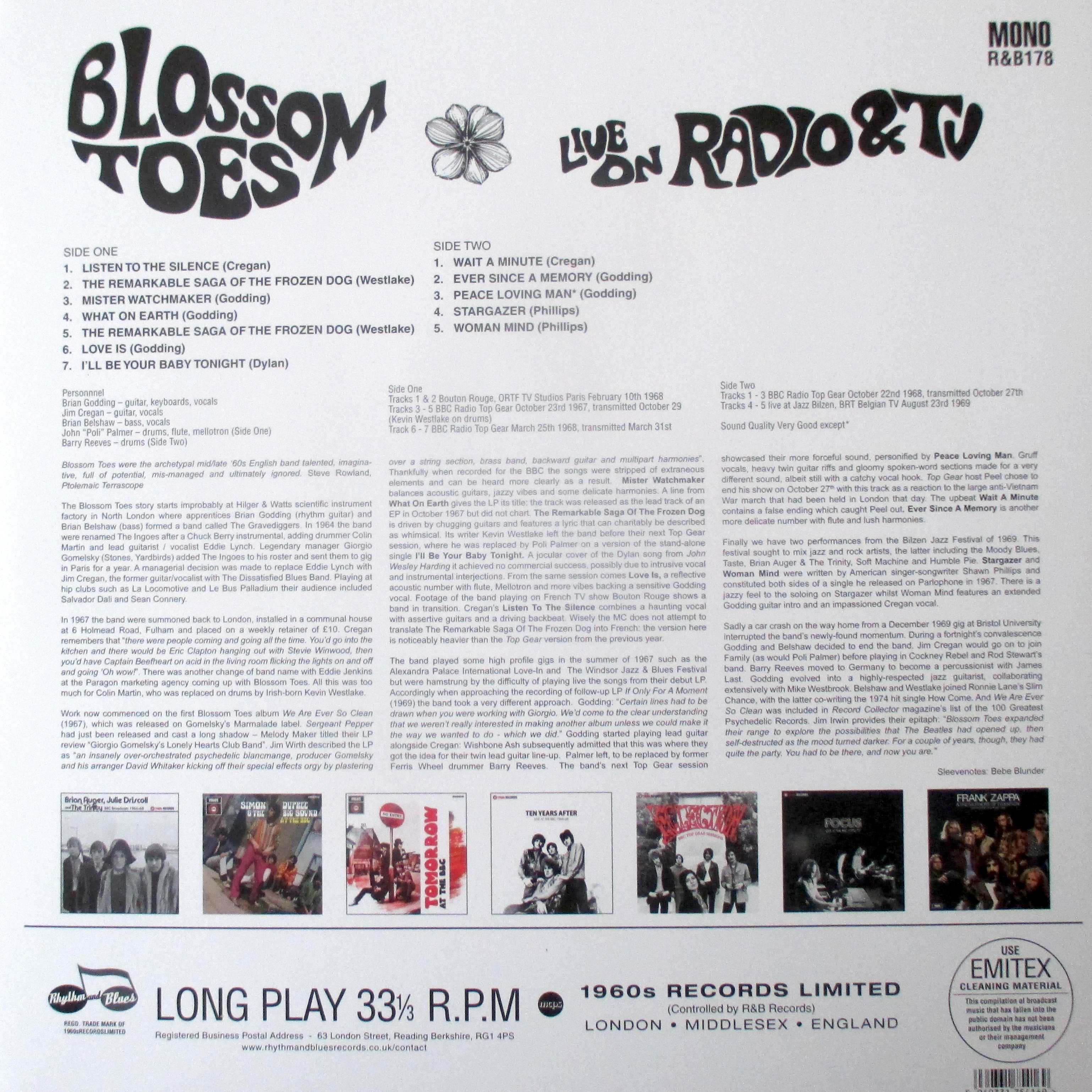
Blossom Toes
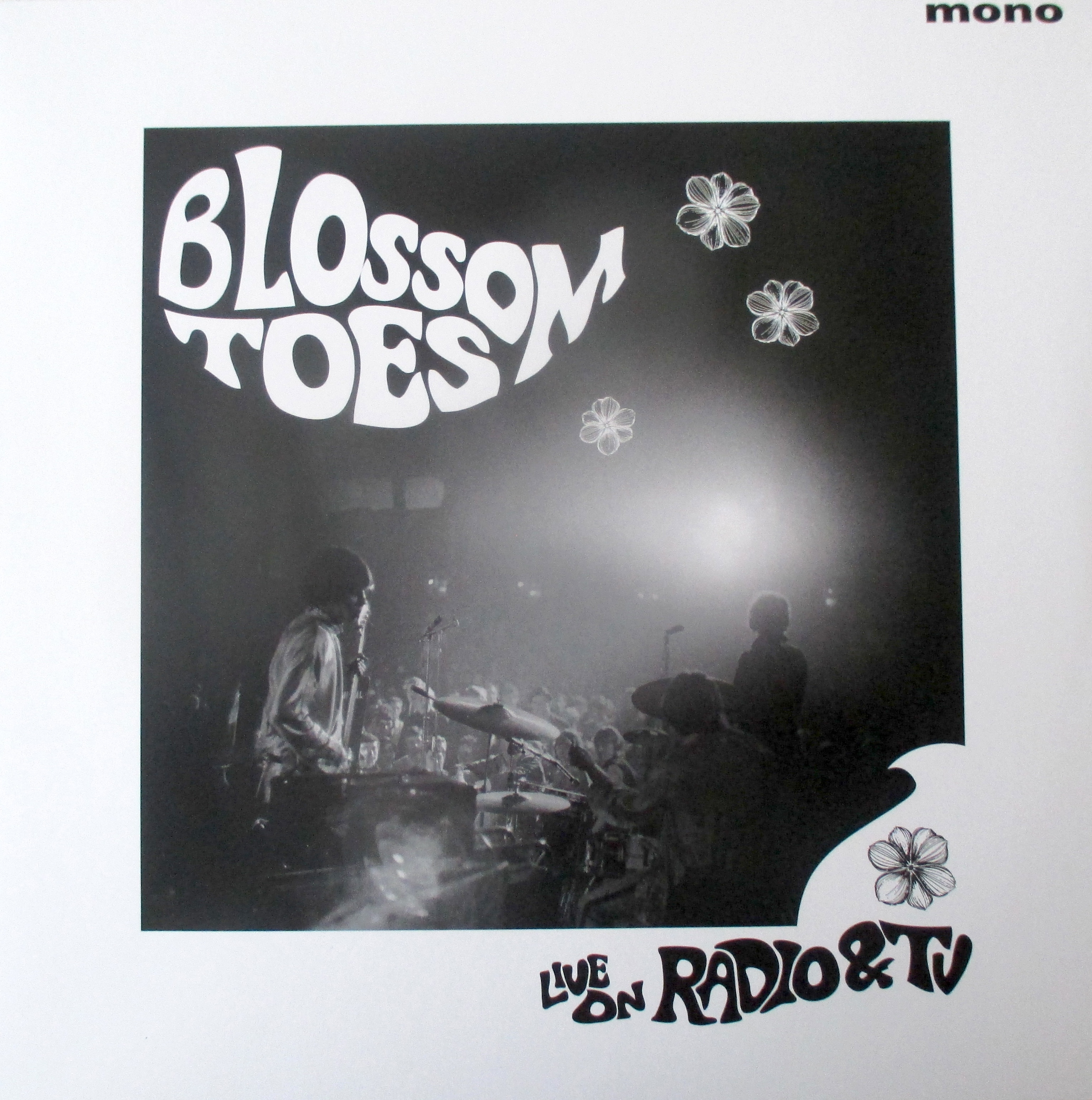
Live On Radio & TV
Tracklisting
Side One
- Listen To The Silence (Cregan)
- The Remarkable Saga Of The Frozen Dog (Westlake)
- Mister Watchmaker (Godding)
- What On Earth (Godding)
- The Remarkable Saga Of The Frozen Dog (Westlake)
- Love Is (Godding)
Side Two
- I’ll Be Your Baby Tonight (Dylan)
- Wait A Minute (Cregan)
- Ever Since A Memory (Godding)
- Peace Loving Man (Godding)
- Stargazer (Phillips)
- Woman Mind (Phillips)
Personnnel
Brian Godding – guitar, keyboards, vocals
Jim Cregan – guitar, vocals
Brian Belshaw – bass, vocals
Kevin Westlake – drums (Side One, Tracks 3-5)
John “Poli” Palmer – drums, flute, Mellotron (Side One Tracks 1, 2 & 6, Side Two Track 1)
Barry Reeves – drums (Side Two Tracks 2-6)
Recording Details
Side One
Tracks 1 & 2 recorded for Bouton Rouge at the ORTF TV Studios in. Paris February 10th 1968
Tracks 3 – 5 recorded for BBC Radio Top Gear on October 23rd 1967, transmitted October 29th
Track 6 recorded for BBC Radio Top Gear on March 25th 1968, transmitted March 31st
Side Two
Track 1 recorded for BBC Radio Top Gear on March 25th 1968, transmitted March 31st
Tracks 2-4 recorded for BBC Radio Top Gear on October 22nd 1968, transmitted October 27th
Tracks 5 & 6 recorded live at the Begijnhof, Bilzen for Tienerklanken Jazz Bilzen, BRT Belgian TV August 23rd 1969
Sound Quality
Sound quality throughout is Excellent, Side Two Track 4 is Very Good
Sleevenotes
Blossom Toes were the archetypal mid/late ‘60s English band talented, imaginative, full of potential, mis-managed and ultimately ignored. Steve Rowland, Ptolemaic Terrascope
The Blossom Toes story starts improbably at Hilger & Watts scientific instrument factory in North London where apprentices Brian Godding (rhythm guitar) and Brian Belshaw (bass) formed a band called The Gravediggers. In 1964 the band were renamed The Ingoes after a Chuck Berry instrumental, adding drummer Colin Martin and lead guitarist / vocalist Eddie Lynch. Legendary manager Giorgio Gomelsky (Stones, Yardbirds) added The Ingoes to his roster and sent them to gig in Paris for a year. A managerial decision was made to replace Eddie Lynch with Jim Cregan, the former guitar/vocalist with The Dissatisfied Blues Band. Playing at hip clubs such as La Locomotive and Le Bus Palladium their audience included Salvador Dali and Sean Connery.
In 1967 the band were summoned back to London, installed in a communal house at 6 Holmead Road, Fulham and placed on a weekly retainer of £10. Cregan remembers that “there were people coming and going all the time. You’d go into the kitchen and there would be Eric Clapton hanging out with Stevie Winwood, then you’d have Captain Beefheart on acid in the living room flicking the lights on and off and going ‘Oh wow!”. There was another change of band name with Eddie Jenkins at the Paragon marketing agency coming up with Blossom Toes. All this was too much for Colin Martin, who was replaced on drums by Irish-born Kevin Westlake.
Work now commenced on the first Blossom Toes album We Are Ever So Clean (1967), which was released on Gomelsky’s Marmalade label. Sergeant Pepper had just been released and cast a long shadow – Melody Maker titled their LP review “Giorgio Gomelsky’s Lonely Hearts Club Band”. Jim Wirth described the LP as “an insanely over-orchestrated psychedelic blancmange, producer Gomelsky and his arranger David Whitaker kicking off their special effects orgy by plastering over a string section, brass band, backward guitar and multipart harmonies”. Thankfully when recorded for the BBC the songs were stripped of extraneous elements and can be heard more clearly as a result. Mister Watchmaker balances acoustic guitars, jazzy vibes and some delicate harmonies. A line from What On Earth gives the LP its title: the track was released as the lead track of an EP in October 1967 but did not chart. Kinksy The Remarkable Saga Of The Frozen Dog is driven by chugging guitars and features a lyric that can charitably be described as whimsical. Its writer Kevin Westlake left the band before their next Top Gear session, where he was replaced by Poli Palmer on a version of the stand-alone single I’ll Be Your Baby Tonight. A jocular cover of the Dylan song from John Wesley Harding it achieved no commercial success, possibly due to intrusive vocal and instrumental interjections. From the same session comes Love Is, a reflective acoustic number with flute, Mellotron and more vibes backing a sensitive Godding vocal. Footage of the band playing on French TV show Bouton Rouge shows a band in transition. Cregan’s Listen To The Silence combines a haunting vocal with assertive guitars and a driving backbeat. Wisely the MC does not attempt to translate The Remarkable Saga Of The Frozen Dog into French: the version here is noticeably heavier than the Top Gear version from the previous year.
The band played some high profile gigs in the summer of 1967 such as the Alexandra Palace International Love-In and The Windsor Jazz & Blues Festival but were hamstrung by the difficulty of playing live the songs from their debut LP. Accordingly when approaching the recording of follow-up LP If Only For A Moment (1969) the band took a very different approach. Godding: “Certain lines had to be drawn when you were working with Giorgio. We’d come to the clear understanding that we weren’t really interested in making another album unless we could make it the way we wanted to do – which we did.” Godding started playing lead guitar alongside Cregan: Wishbone Ash subsequently admitted that this was where they got the idea for their twin lead guitar line-up. Palmer left, to be replaced by former Ferris Wheel drummer Barry Reeves. The band’s next Top Gear showcased their more forceful sound, personified by Peace Loving Man. Gruff vocals, heavy twin guitar riffs and gloomy spoken-word sections showcased a very different sound, albeit still with a catchy vocal hook. Top Gear host Peel chose to end his show on October 27th with this track as a reaction to the large anti-Vietnam War march that had been held in London that day. The upbeat Wait A Minute contains a false ending which caught Peel out. Ever Since A Memory is another more delicate number with flute and lush harmonies.
Finally we have two performances from the Bilzen Jazz Festival of 1969. This festival sought to mix jazz and rock artists, the latter including the Moody Blues, Taste, Brian Auger & The Trinity, Soft Machine and Humble Pie. Stargazer and Woman Mind were written by American singer-songwriter Shawn Phillips and constituted both sides of a single he released on Parlophone in 1967. There is a jazzy feel to the soloing on Stargazer whilst Woman Mind features an extended Godding guitar intro and an impassioned Cregan vocal.
Sadly a car crash on the way home from a December 1969 gig at Bristol University interrupted the band’s newly-found momentum. During a fortnight’s convalescence Godding and Belshaw decided to end the band. Jim Cregan would go on to join Family (as would Poli Palmer) before playing in Cockney Rebel and Rod Stewart’s band. Barry Reeves moved to Germany to become a percussionist with James Last. Godding evolved into a highly-respected jazz guitarist, extensively collaborating with Mike Westbrook. Belshaw and Westlake joined Ronnie Lane’s Slim Chance, with the latter co-writing the 1974 hit single How Come. And We Are Ever So Clean was included in Record Collector magazine’s list of the 100 Greatest Psychedelic Records. Jim Irwin provides their epitaph: “Blossom Toes expanded their range to explore the possibilities that The Beatles had opened up, then self-destructed as the mood turned darker. For a couple of years, though, they had quite the party. You had to be there, and now you are.”
Sleevenotes: Bebe Blunder
 Only Rock 'n' Roll